ERP for pharmaceutical distributors
For distributors who supply pharmacies with medicines and health products. Every pack carries a lot and an expiry date, and the stock that expires first has to leave first.
What gets hard
Every pack has a lot and an expiry date
Medicines arrive in lots, each with its own expiry date printed on the carton. If the lot and the date are not captured at the dock, exactly as printed, there is no reliable way later to tell which stock is short-dated or which customers received which lot.
Short-dated stock has to leave first
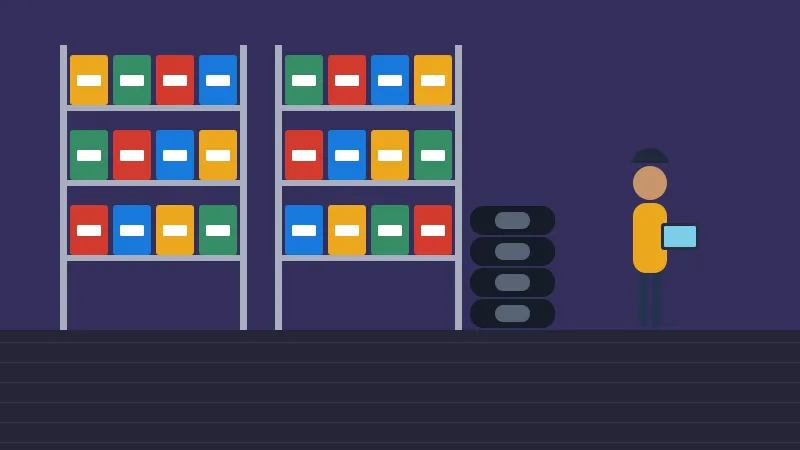
Pickers reach for whatever is nearest on the shelf. Unless the oldest expiry goes out first, short-dated packs sit at the back until they can no longer be sold, and the loss shows up only when someone finally counts them.
Expired and damaged returns
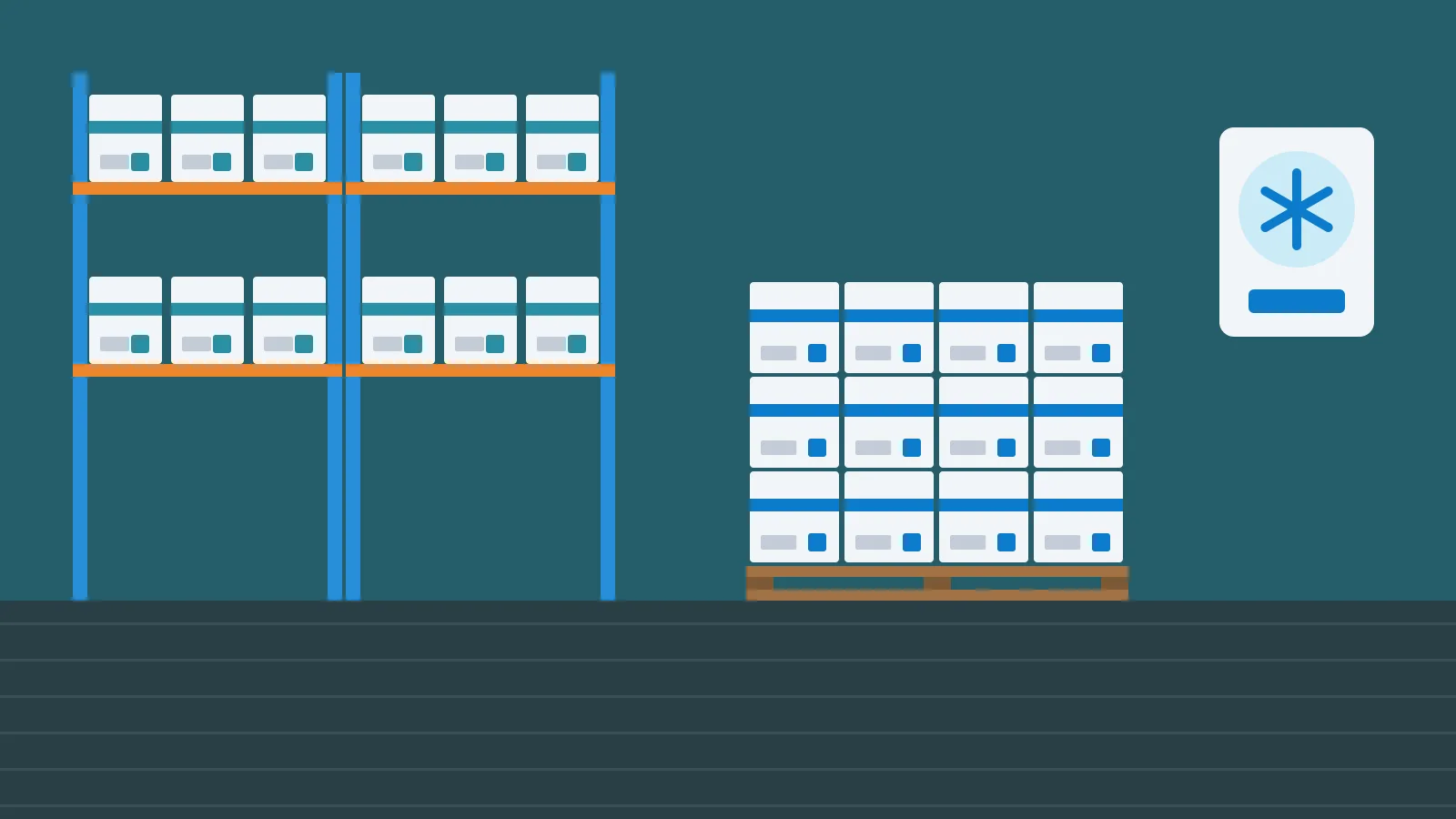
Pharmacies send back packs that are damaged or past their date. If those returns are put straight back on the shelf with good stock, an expired pack can be picked again for the next order, which is the one mistake this trade cannot afford.
Credit to pharmacies
Pharmacies buy on terms and many pay at the end of the month or later. Without a limit checked on each order and a clear picture of who is overdue, a distributor ends up financing its customers’ stock with no idea how much is at risk.
How Axon Suite handles it
Lots and expiry dates captured at the dock
Open the approved purchase order and the receipt fills itself with what is still to come. Tracked items take their lot numbers, and a new lot its expiry date. A receipt past the ordered quantity is refused, and the rest can arrive later.
Receive against the order, never over itThe lot that expires first leaves first
When a line names no lot, Axon Suite takes the soonest-expiring stock in the bin. When the customer asks for a lot, name it on the line and that lot leaves. If the lots in the bin cannot cover the quantity, the line is refused rather than left short.
Lots, expiry and first-expiry outCounted lot by lot
Open a count for a warehouse or a single bin, enter what is on the shelf, and a reviewer approves it. A lot-tracked item cannot be closed without its lot number on the line, and the difference posts as one adjustment at cost.
Cycle counts that post the differenceExpired returns go to quarantine, not the shelf
Raise the return against the original invoice, approve it and receive the goods back. Lines marked damaged or expired are received into quarantine, not back onto the shelf with good stock, and each line is credited at the price it was invoiced at.
Sales returns and credit notesA credit limit on every pharmacy order
Every order is checked against the customer’s limit the moment it is saved. Over the limit, it is held for someone with approval rights on sales orders or refused, as your settings say. The open balance is what was invoiced less what was paid.
Credit limits on every orderWho owes what, and for how long
Aging buckets every open invoice by its due date into current, 1–30, 31–60 or over 60 days past due. A statement gives each customer their running balance with the same aging beneath it, printed as a PDF in Arabic or English.
Aging and party statements
Guides for this trade
Questions distributors ask
Do we have to type a lot number on every sale?
No. Leave it blank and Axon Suite picks the lots by expiry. Name one only when it matters.
Can a lot arrive without an expiry date?
Not a new lot. A receipt that brings in a lot for the first time must state when it expires.
Can cost follow expiry too?
Yes. Picking and costing are separate, so choose the first-expiry (FEFO) costing method on the item if you want cost to follow expiry as well.
Can each pharmacy have its own payment term?
Yes. Every customer carries a term, such as net days or end of month plus days, and each document’s due date is calculated from its date and that term.