ERP for food and beverage distributors
For distributors of packaged food and drinks who supply grocers, supermarkets and cafés. Shelf life is short, so every day lost in the warehouse or the van is a day less to sell.
What gets hard
Shelf life measured in weeks
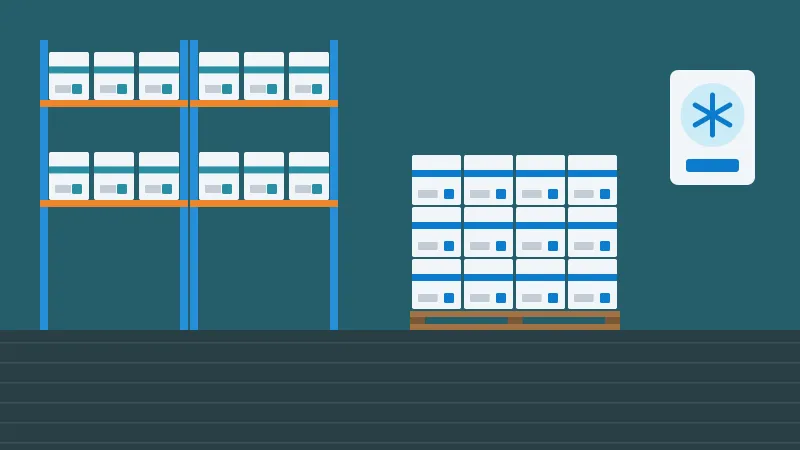
Dairy, bakery, juices and chilled snacks have short dates. Stock that is picked in the wrong order expires in the warehouse while newer cartons go out, and the loss is only found when someone checks the dates on the shelf.
Near-expiry goods coming back from shops
Shops expect the distributor to take back what did not sell before its date. Returns are taken in a hurry at the shelf, sometimes without the invoice, and if they are not recorded and kept apart, expired goods drift back into saleable stock.
Van stock that changes every day
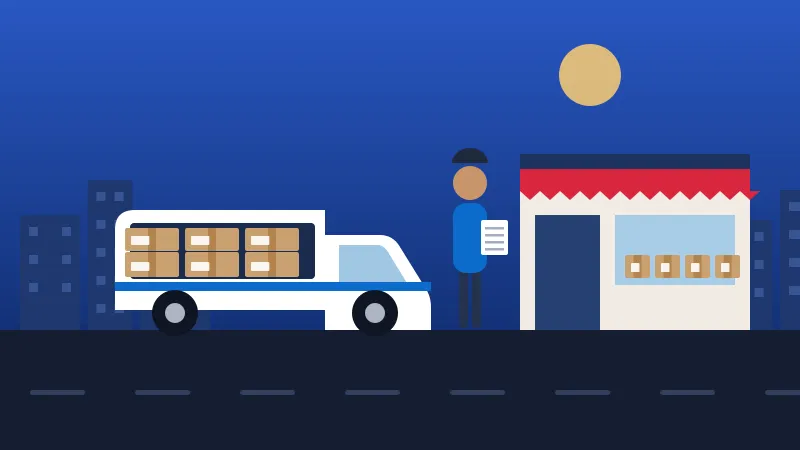
Vans are loaded each morning with what the route should sell and unloaded in the evening. Without a record of what moved between the warehouse and each van, nobody can say what a van holds, and shortages are argued about rather than found.
Orders that arrive in part
Customers order by phone, by message or online, and what fits in the van today is not always the whole order. When part is delivered and the rest follows, it is easy to invoice the whole order once, or the same goods twice.
How Axon Suite handles it
The soonest-expiring stock leaves first
Lot-tracked items carry their expiry dates from the day they arrive. When a line names no lot, Axon Suite takes the soonest-expiring stock in the bin, and when no bin is named, stock never leaves a quarantine, scrap or dock bin.
Lots, expiry and first-expiry outReturns taken at the shelf, by your rules
A rep takes back goods during the visit, against one of the customer’s invoices or on their own, noting each item’s condition. Your field settings decide whether the return is approved, received into stock and passed for credit on the spot, or waits for the office.
Returns taken at the customerExpired goods kept away from good stock
A return raised against the invoice is credited at the price the customer paid. On receipt, lines marked damaged or expired go to quarantine, not back onto the shelf, and scrap goes to scrap. Then pay it back as a refund or keep it as store credit.
Sales returns and credit notesEach van is a warehouse of its own
Every van is a stock location under a parent warehouse. The rep asks for a load or an unload from the rep app, limited to the items in their catalogue, and it is saved as a draft transfer. The stock moves only when the transfer is posted.
Loading and unloading the vanDeliver what fits today, invoice what was delivered
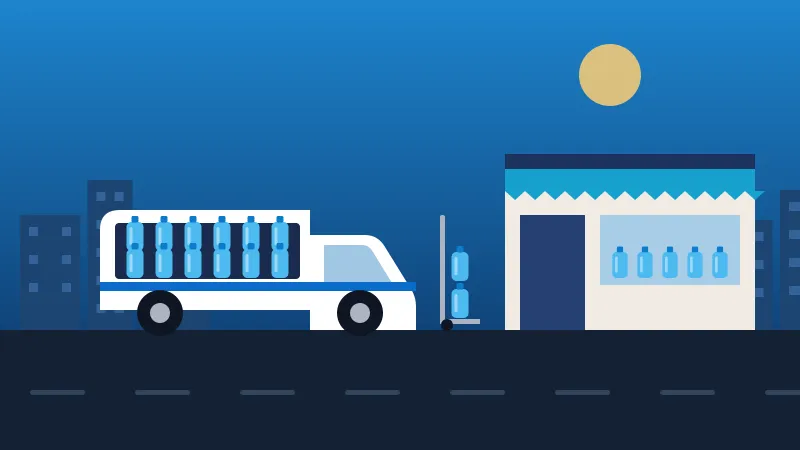
The rep marks the order out for delivery, delivers everything still owed or enters each line’s delivered quantity, then invoices what was delivered with the delivery fee. Each invoice bills only what deliveries left unbilled, and the rest can go out on another trip.
Delivering and invoicing an orderRetailers order from their phone
Your retailers sign in with their phone number and a one-time code, browse the catalogue at their own price list’s prices and check out against what is really in stock for their area. The server prices the cart, so the totals on the phone are the ones on the order.
Retailers order from their phone
Guides for this trade
Questions distributors ask
Can a rep take a return with no signal?
Yes. The return waits on the phone and is sent with the rest when the signal returns.
What if the customer takes only part of the order?
Enter what was delivered per line. The rest stays owed on the order for a later delivery.
Can fresh goods use a different costing method from the rest?
Yes. The costing method is set per item, so fresh goods can run on first expiry (FEFO) while other items run on weighted average.
Can a retailer order more than we have?
No. Checkout compares each line with stock in the area’s warehouse and refuses a short line, saying how many are left.